Some Background on the Sustainable Development Goals (SDGs)UNESCO
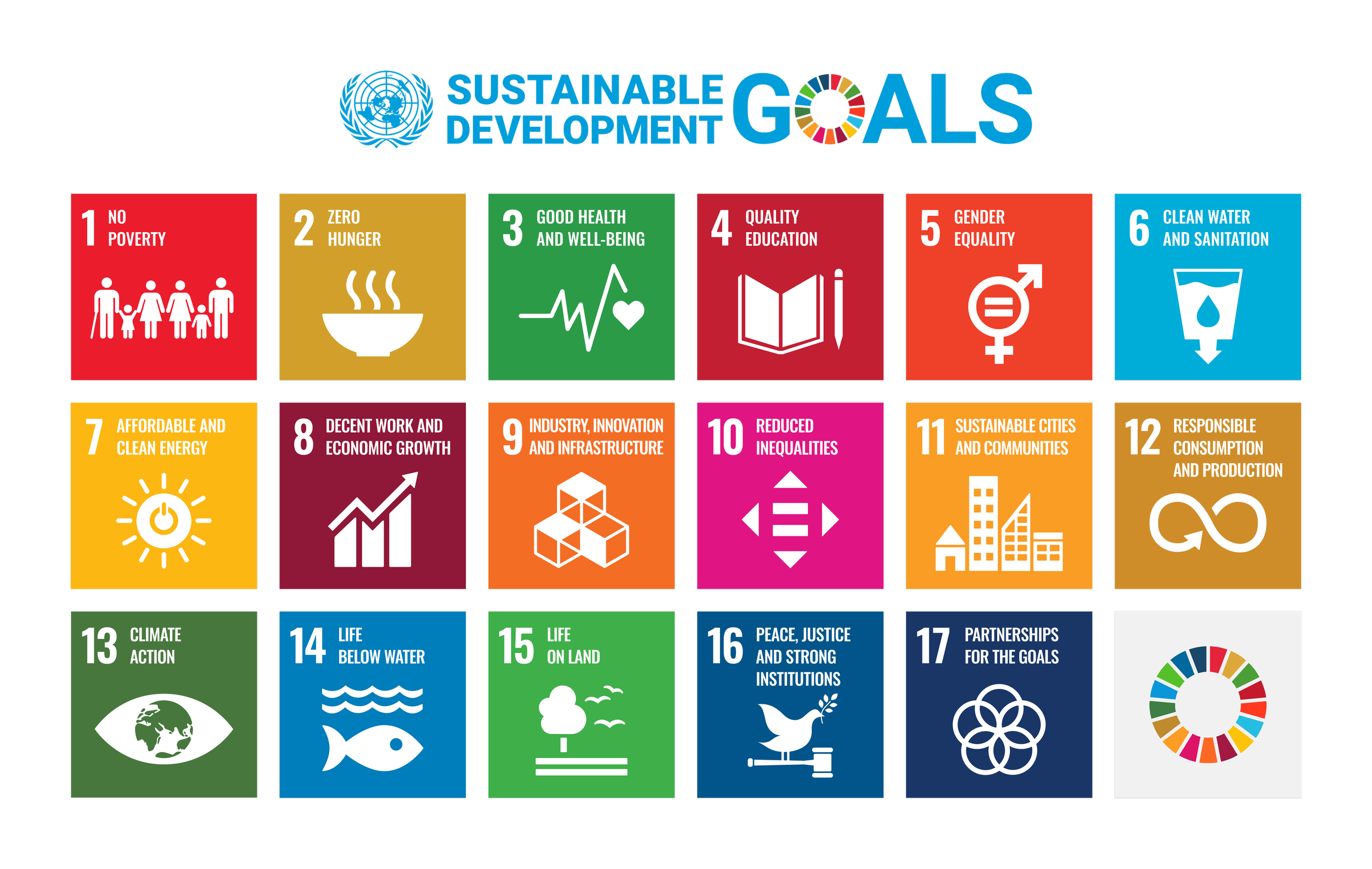
The Sustainable Development Goals (SDGs), adopted by the United Nations in 2015, aim to end poverty, protect the planet, and improve lives globally.
Comprised of 17 Goals and 169 targets, the SDGs provide an ambitious 15-year plan embraced by governments, civil society, NGOs, and multilateral bodies as the main framework for international development.
In education, these Goals are widely used by practitioners for global learning and advocacy.
See more information here: https://www.unesco.org/en/sdgs
-
The SDGs encourage a holistic approach to education that goes beyond traditional academic subjects. They emphasise the development of skills such as critical thinking, problem-solving, and collaborative working, which are essential for addressing complex global issues.
-
The SDGs foster interdisciplinary learning by connecting different subjects through common themes such as sustainability, equality, and global citizenship. For example, students might study the impact of climate change in geography, the science behind renewable energy in physics, and the ethical implications in social studies. This interconnected approach helps students see the relevance of their education to real-world issues.
-
Education based on the SDGs promotes active citizenship and social responsibility. Students are encouraged to understand and engage with issues such as poverty (SDG 1), quality education (SDG 4), gender equality (SDG 5), and climate action (SDG 13). This engagement fosters a sense of responsibility and empowers students to contribute positively to their communities and the wider world.
-
The SDGs help build global awareness and cultural competence by encouraging students to explore and appreciate cultural diversity. This is particularly relevant in subjects like Modern Foreign Languages (MFL) and Irish, where students learn about different cultures, traditions, and perspectives. Such understanding is crucial for fostering empathy and cooperation in a globalised world.
-
Environmental education is a key component of the SDGs, particularly goals related to life on land (SDG 15) and below water (SDG 14), clean water and sanitation (SDG 6), and climate action (SDG 13). Subjects like biology, geography, and chemistry can incorporate lessons on ecosystems, biodiversity, and sustainable practices. This helps students understand the importance of protecting natural resources and promotes environmental stewardship.
-
Practical applications of sustainable development are integrated into the curriculum, encouraging students to participate in projects and initiatives that promote sustainability. For example, students might engage in school-wide recycling programs, energy conservation efforts, or community gardens. These hands-on experiences reinforce the principles of sustainable development and demonstrate how small actions can contribute to larger goals.
-
The SDGs provide a framework for ethical and moral education by highlighting issues such as inequality (SDG 10), decent work (SDG 8), and peace and justice (SDG 16). Discussions and activities related to these goals can be incorporated into subjects like history, civics, and religious education, helping students develop a strong moral compass and a commitment to justice and equality.
-
By focusing on the SDGs, the curriculum helps prepare students for the future job market and societal challenges. Many emerging career fields, such as renewable energy, sustainable agriculture, and social entrepreneurship, are directly related to the SDGs. Providing students with knowledge and skills in these areas enhances their employability and ability to contribute to a sustainable future.
In summary, the SDGs are highly relevant to the post-primary curriculum in Ireland as they provide a comprehensive framework for educating students about global challenges and solutions.
By integrating the SDGs into various subjects, educators can promote holistic learning, interdisciplinary connections, active citizenship, global awareness, environmental stewardship, sustainable practices, ethical education, and future preparedness.
This integration helps develop informed, responsible, and proactive global citizens who are equipped to tackle the challenges of the 21st century.